
Last Updated: May 25, 2026
Achilles pain after running is one of the most common overuse injuries affecting runners, particularly marathon runners, recreational runners, and athletes increasing training volume. According to the British Journal of Sports Medicine, Achilles tendinopathy is strongly associated with repetitive tendon loading and training errors in endurance sports
Understanding Achilles Pain After Running
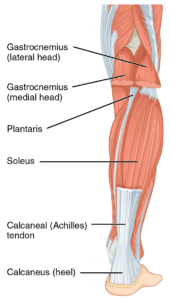
The Achilles tendon connects the calf muscles to the heel bone and plays a major role in:
- force production
- shock absorption
- running efficiency
- push-off during stride
During running, the tendon experiences forces several times bodyweight. When training load exceeds the tendon’s ability to recover and adapt, irritation and tendon pain can develop gradually over time.
Common symptoms include:
- Achilles pain after running
- morning stiffness
- pain above the heel
- calf tightness
- pain during push-off
- discomfort during hill running
- stiffness after longer runs
For many runners, symptoms begin mildly before progressively worsening if training load is not modified appropriately.
What Causes Achilles Pain in Runners?
1. Sudden Increase in Running Mileage
Research published in the Journal of Orthopaedic & Sports Physical Therapy identifies rapid increases in training volume and intensity as major contributors to Achilles tendon pain.
Common triggers include:
- marathon training increases
- sudden speed work
- excessive hill running
- increasing weekly mileage too quickly
- inadequate recovery between runs
Tendons adapt more slowly than cardiovascular fitness, meaning runners often feel aerobically fit before the tendon is mechanically prepared for the workload.
2. Tight Calf Muscles and Reduced Ankle Mobility
Tight calves can increase strain through the Achilles tendon during running.
Reduced ankle mobility may contribute to:
- earlier heel rise during stride
- increased tendon compression
- reduced shock absorption
- increased lower limb loading
This is particularly common in runners who:
- increase hill running
- neglect calf mobility
- perform excessive speed training
3. Weak Calf Strength
The calf muscles help absorb force and generate propulsion while running.
Research available through the National Library of Medicine demonstrates reduced calf strength and endurance are commonly associated with Achilles tendinopathy.
Weakness may increase tendon stress during:
- sprinting
- longer runs
- marathon training
- uphill running
This is one reason progressive calf strengthening forms a key part of rehabilitation programmes.
Types of Achilles Tendon Pain
Mid-Portion Achilles Tendinopathy
- This is the most common Achilles injury in runners.
Pain is usually located:
- 2–6 cm above the heel bone
Symptoms often include:
morning stiffness
- pain after running
- tendon tenderness
- stiffness during the first few minutes of running
Insertional Achilles Tendinopathy
Insertional Achilles pain occurs:
- directly where the tendon attaches to the heel bone
This type is often aggravated by:
- uphill running
- stiff footwear
- aggressive calf stretching
- compression at the heel
Management strategies sometimes differ slightly compared with mid-portion tendon pain.
Can You Keep Running With Achilles Pain?
Current research suggests complete rest is not always necessary for Achilles tendinopathy.
The Journal of Orthopaedic & Sports Physical Therapy Clinical Practice Guidelines support appropriately managed tendon loading rather than prolonged inactivity in many cases.
Running may still be appropriate if:
- pain remains mild
- symptoms settle quickly after running
- there is no limping
- stiffness is not progressively worsening
Training modification is usually recommended if:
- pain worsens during runs
- swelling develops
- morning stiffness becomes severe
- running form changes because of pain
- symptoms worsen daily
Ignoring worsening tendon pain often leads to prolonged recovery periods.
Best Treatment for Achilles Pain After Running
Reduce Tendon Overload
Load management is one of the most important parts of treatment.
According to the British Journal of Sports Medicine, reducing excessive tendon stress while maintaining appropriate activity levels is central to recovery.
This may involve:
- temporarily reducing mileage
- avoiding hill sessions
- reducing sprint work
- spacing out harder runs
- shortening long runs
The goal is to reduce irritation while maintaining some level of tendon loading.
How Stride Lab can help
At Stride Lab, we assess Achilles pain in the context of training load, running biomechanics, strength, and injury risk. This allows us to identify the true cause and guide a safe return to running. Book your no obligation call.
Continuing to run on with Achilles Pain can worsen it, so early assessment is important.