Stress fracture vs shin splints: what’s the difference?

Shin pain is one of the most common issues runners experience. However, not all shin pain is the same. Two of the most common causes are shin splints (medial tibial stress syndrome) and stress fractures (bone stress injuries). Understanding the difference is important, as continuing to run on the wrong diagnosis can significantly delay recovery.

What are shin splints?

Shin splints typically present as diffuse pain along the inner shin, discomfort that builds during or after running, and tenderness spread over a wider area of the bone. They are usually caused by repetitive overload of the bone and surrounding tissues, often linked to changes in training.

What is a stress fracture?

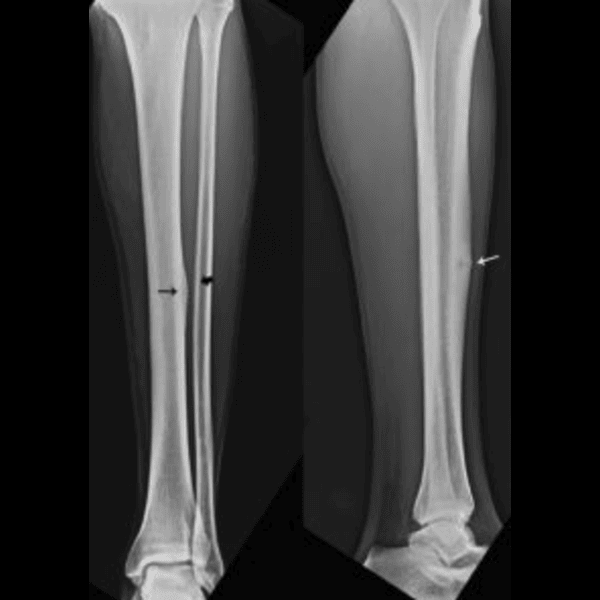
A stress fracture is a more serious injury involving localised bone damage. It usually presents as a specific, pinpoint area of pain and reflects a reduced ability of the bone to tolerate load. Stress fractures often develop when training load exceeds the bone’s capacity over time.

Key differences

1. Location of pain

Shin splints: Broad, spread-out pain along the shin.

Stress fracture: Very localised, pinpoint pain.

2. Pain behaviour

Shin splints: May warm up during a run and often worse after running.

Stress fracture: Pain worsens during running and may be painful at rest.

3. Severity

Shin splints: Often manageable with load modification.

Stress fracture: Usually requires stopping running.

4. Response to load

Shin splints: Can sometimes continue running with reduced load.

Stress fracture: Load needs to be significantly reduced or removed.

Quick self-check guide

You may have shin splints if the pain is spread along the shin, improves during a run, and settles with rest. You may have a stress fracture if the pain is very localised, worsens with each run, or is present when walking or hopping.

Why this distinction matters

Many runners continue training with what they think are shin splints when they may actually have an early bone stress injury. This can lead to longer recovery times, progression to a full stress fracture, and time away from running.

What causes these injuries?

Both conditions are usually linked to sudden increases in training load, changes in intensity or terrain, inadequate recovery, and strength deficits. Stress fractures are more likely when load consistently exceeds the bone’s ability to adapt.

When to get assessed

You should seek assessment if pain is worsening despite reducing training, becomes localised, running becomes progressively more painful, or you are unsure whether it is safe to continue.

How Stride Lab can help

At Stride Lab, we assess shin pain in the context of training load, running biomechanics, strength, and injury risk. This allows us to identify the true cause and guide a safe return to running.

Shin splints present as diffuse, load-related pain, while stress fractures involve localised bone injury. Continuing to run on a stress fracture can worsen it, so early assessment is important.